⏰ 7 min read | August 17, 2026
Getting a private photo leak threat from a stranger online is terrifying, but it is far more common than most people realise, and there is a clear, calm way to handle it. Scammers and blackmailers count on you panicking and paying up quietly. The good news is that Indian authorities and a few free global tools exist specifically for this situation, and knowing the right steps in advance can turn a scary night into a manageable problem. This guide walks you through exactly what to save, who to call, and how to get your images pulled down before they ever spread — all explained the way a friend who has been through it would tell you.
What Is Photo Leak Blackmail and How It Starts
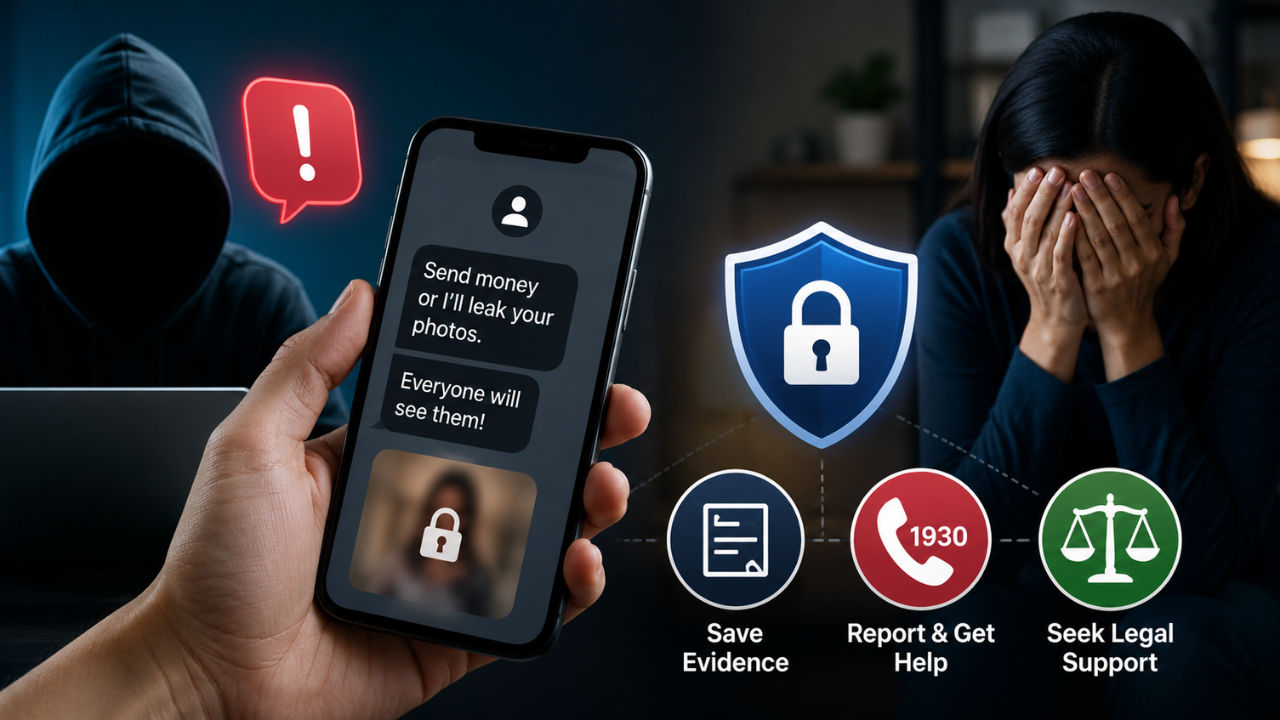
This scheme, often called sextortion, usually begins in an innocent-looking chat. Someone strikes up a friendly or flirty conversation on social media, WhatsApp, or a dating app, gradually convinces you to share a private photo or video call, and then flips the script — demanding money, more images, or favours under the threat of leaking what they already have to your family, friends, or workplace. Sometimes the “private photo” is not even real; it is a stitched or AI-edited fake used purely to scare you. Either way, the attacker’s entire strategy depends on your fear and silence, which is exactly why acting calmly and quickly matters so much.
Did You Know? Cybercrime investigators say a large share of these blackmail attempts use bots or scripted messages sent to hundreds of people at once, hoping just a few will panic and pay. If you are being targeted, you are very likely not the only one — and reporting it can help stop the same account from reaching someone else.
What to Do the Moment You Are Threatened
The first ten minutes matter more than you think, and the goal is to collect proof before you cut off contact. Follow these steps in order:
- Screenshot everything — the chat thread, the person’s phone number, their username, their profile link, and any payment or UPI details they share.
- Do not reply with panic or pleading. Emotional responses only encourage the blackmailer to push harder.
- Never pay and never send more images. Complying does not make the threat disappear; in nearly every documented case it just invites bigger demands, because it proves the pressure tactic is working on you.
- Block the account only after you have saved your evidence — not before.
- Tell someone you trust. A parent, partner, or close friend can help you think clearly and act fast instead of dealing with this alone.
How and Where to Report It in India
Once you have your evidence saved, report the crime right away. India has dedicated channels built for exactly this kind of complaint, and using them is free and confidential:
- File a complaint on the National Cyber Crime Reporting Portal, the government’s official platform for online crime.
- Call the cybercrime helpline number 1930, which connects you directly with trained responders.
- Visit your nearest police station or dedicated cybercrime cell in person if you prefer face-to-face support.
When you file your complaint, include everything you gathered — the blackmailer’s phone number, their social media handles, WhatsApp details, and any bank or UPI information tied to their payment demand. The more detail you provide, the faster investigators can trace and act against the account.
Getting Free Legal Help via Nyaya Setu
If you want to understand your legal options before or alongside filing a police complaint, the Nyaya Setu platform is built for this. It offers free legal guidance and can connect you with a qualified lawyer through the government’s Tele-Law system, so you are not left guessing about your rights. You can also explain your situation to Nyaya Setu’s built-in AI assistant, called Dishika, which can point you toward the right next step in plain language, without any cost or judgement.
Already Leaked? How StopNCII.org Can Help
If your images have already been shared or you fear they are about to be, there is a free tool built specifically for this: StopNCII.org. It works by creating a digital hash — essentially a unique fingerprint — of your photo directly on your own device. Your actual image is never uploaded anywhere. Partner platforms then use that hash to automatically detect and block matching content from being posted or spreading further, giving you a way to fight back even after the fact.
Quick Reference: Resources at a Glance
| Specification | Details |
|---|---|
| Cybercrime Helpline | 1930 (India, toll-free) |
| Online Complaint Portal | National Cyber Crime Reporting Portal |
| Image Removal Tool | StopNCII.org (hash-based, no upload of actual photo) |
| Free Legal Guidance | Nyaya Setu + Tele-Law lawyer connect |
| AI Guidance Assistant | Dishika (via Nyaya Setu) |
Cost & Availability
| Item | Details |
|---|---|
| Original Price | Not applicable — this is a safety guide, not a paid product |
| Current Price | All resources mentioned (helpline, portal, StopNCII.org, Nyaya Setu) are completely free |
| Bank Card Offer | Not applicable |
| EMI | Not applicable |
| Exchange | Not applicable |
Frequently Asked Questions
Do not panic and do not delete anything. Take screenshots of every message, including the person’s phone number, username, profile link, and any payment demand. This becomes your evidence. Then block the account and report it — do not negotiate.
No. Paying up or sending more photos almost never makes the threats stop — it usually invites more demands because it proves you will comply. The safer path is to report the crime immediately instead of engaging further.
You can file a complaint on the National Cyber Crime Reporting Portal, call the cybercrime helpline at 1930, or walk into your nearest police station or cybercrime cell with your saved evidence.
StopNCII.org is a free global service for people worried about non-consensual intimate images being shared. It creates a digital hash of your image on your own device — the photo itself is never uploaded — and partner platforms use that hash to detect and block matching content.
Yes. The Nyaya Setu platform offers free legal guidance and can connect you with a lawyer through the government’s Tele-Law system. You can even describe your situation to its AI assistant, Dishika, to understand your options quickly.
Final Verdict
A private photo leak threat feels like the end of the world in the moment, but it is a well-known crime with clear, free ways to fight back. Save your evidence, refuse to pay, report it through the 1930 helpline or the National Cyber Crime Reporting Portal, lean on Nyaya Setu for legal support, and use StopNCII.org if images have already gone out. Acting fast and calmly puts the power back in your hands instead of the blackmailer’s. For more practical, no-nonsense tech and safety explainers like this one, keep visiting JatinTechTalks.


No comments:
Post a Comment