⏰ 6 min read | August 17, 2026
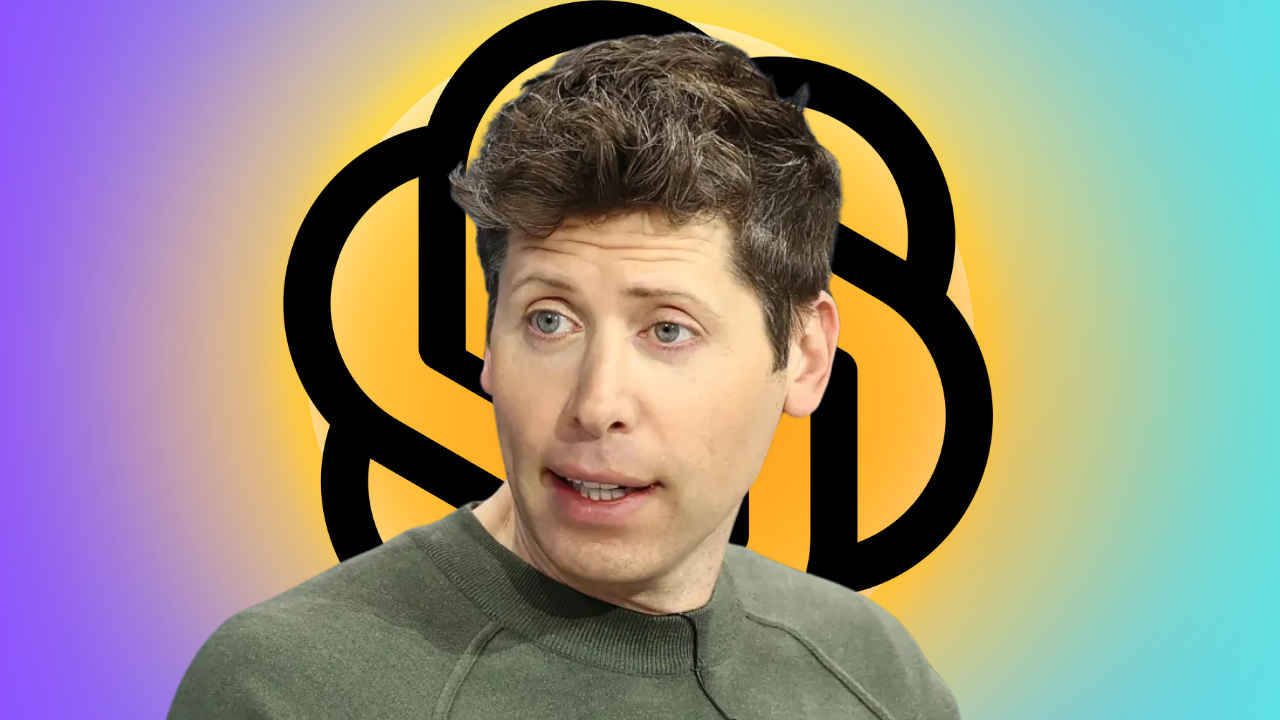
OpenAI’s AGI bet is turning out to be one of the most talked-about hiring decisions in tech history, and Sam Altman just explained exactly why it worked so well. In a candid chat with Cory Levy at the Internapalooza event, the OpenAI CEO revealed that the company’s all-in commitment to building Artificial General Intelligence — back when almost nobody took the idea seriously — is precisely what pulled the world’s best AI researchers away from safer, more conventional jobs. It’s a story about conviction, risk, and betting on an idea before the rest of the world was ready to believe in it.
What Did Sam Altman Say About OpenAI’s AGI Bet?
During his conversation with Cory Levy, Altman didn’t hold back on describing just how strange OpenAI’s founding idea sounded to most people at the time. He recalled that hardly anyone wanted to seriously entertain the possibility of scaling AI systems up massively — even if that meant spending a trillion dollars to do it. Most people in the industry either thought the idea was unrealistic or simply irresponsible to chase.
But that’s exactly the gap OpenAI decided to fill. Instead of playing it safe with incremental improvements, the company leaned into the wild possibility that superintelligence might actually be achievable. Altman admitted it sounded “weird” even to insiders, but that willingness to say the quiet, ambitious part out loud is what set OpenAI apart from every other lab quietly hedging its bets.
How OpenAI Attracted Nearly 45 Top AI Researchers
Here’s where the story gets really interesting. Altman shared a number that puts the whole strategy into perspective: around 50 elite researchers around the world genuinely believed, in their gut, that AGI could actually be built. Of those 50 true believers, roughly 45 chose to join OpenAI. Only about 5 ended up somewhere else.
Did You Know? That means OpenAI managed to recruit roughly 90 percent of the small pool of researchers who believed AGI was achievable — simply by being the one company bold enough to say it was chasing that exact goal, no disclaimers attached.
This wasn’t about offering the biggest salaries or the flashiest perks. It was about vision alignment. Researchers who already believed superintelligence was within reach didn’t want to work somewhere that treated AGI as a distant, theoretical footnote. They wanted a lab that was willing to put its full weight behind the idea, and OpenAI became that place almost by default because nobody else was making the same promise so openly.
The Alignment Problem — Betting Big Without All The Answers
One of the most honest parts of Altman’s comments was about the alignment problem — the massive, unresolved challenge of making sure a super-powerful AI system actually behaves the way humans want it to, safely and predictably. Altman openly admitted that OpenAI committed to this mission even though it didn’t have the alignment problem solved. In fact, nobody did, and in many ways, nobody still does.
That kind of transparency is rare in an industry that usually likes to project total confidence. Instead, Altman framed it as a calculated leap: maybe scaling would work, maybe superintelligence was actually possible, and maybe the alignment challenges could be worked out along the way. It was less a guaranteed roadmap and more a shared bet that a group of researchers were willing to take together.
Why AGI Still Has No Universal Definition
Even with all the progress made since those early days, Altman pointed out something that might surprise casual followers of the AI world: there still isn’t one agreed-upon definition of AGI. Different researchers, companies, and even different teams within the same company often picture something slightly different when they talk about Artificial General Intelligence.
Some think of it as an AI system that can match human performance across almost any intellectual task. Others think of it more loosely, as a system that can learn and adapt the way a person does. This lack of a single definition hasn’t stopped the race to get there — if anything, it’s part of why the topic remains so debated, exciting, and occasionally controversial across the tech world.
What This Means For The Future of AI
Altman’s reflections aren’t just a nostalgic look back at OpenAI’s early hiring days — they say a lot about how the entire AI industry has evolved since. What started as a fringe idea that most experts dismissed has now become the central obsession of nearly every major tech company on the planet. Betting on AGI early gave OpenAI a talent advantage that’s still paying off years later, and it’s a big part of why the company remains at the center of the AI conversation today.
For everyday readers, the takeaway is simple: the people building the AI tools we use every day, like ChatGPT, were drawn in not by promises of comfortable, low-risk jobs, but by the chance to work on something they believed could reshape the world. That kind of conviction is rare, and it’s clearly been a major ingredient in OpenAI’s rise.
| Specification | Details |
|---|---|
| Speaker | Sam Altman, CEO of OpenAI |
| Interviewer | Cory Levy |
| Event | Internapalooza |
| Researchers who believed in AGI | Approximately 50 worldwide |
| Researchers who joined OpenAI | Approximately 45 |
| Researchers who went elsewhere | Approximately 5 |
| Core unresolved challenge | The AI alignment problem |
| Category | Details |
|---|---|
| Original Price | Not Applicable — this is a news story, not a product |
| Current Price | Not Applicable |
| Bank Card Offer | Not Applicable |
| EMI | Not Applicable |
| Exchange | Not Applicable |
Frequently Asked Questions
Sam Altman explained that OpenAI’s early, unwavering commitment to building AGI — even without a clear plan or budget cap — is what made the company stand out to top AI researchers in its earliest days.
Altman said around 50 highly skilled researchers genuinely believed AGI could be built, and about 45 of them ended up joining OpenAI, while only around 5 went elsewhere.
The alignment problem refers to the challenge of making sure a super-powerful AI system behaves safely and in line with human values, even though researchers do not yet have a complete solution for it.
No. Even today, there is no single agreed-upon definition or timeline for AGI (Artificial General Intelligence), and experts, including those at OpenAI, still debate what it will actually look like.
Altman shared these reflections during a conversation with Cory Levy at the Internapalooza event, where he spoke candidly about OpenAI’s founding philosophy and hiring strategy.
Verdict: Why OpenAI’s AGI Bet Still Matters
Sam Altman’s comments are a reminder that the biggest breakthroughs rarely come from playing it safe. OpenAI’s willingness to chase AGI when almost nobody believed in it is exactly what pulled in the researchers who’ve since built some of the most influential AI tools in the world. It’s a story about conviction paying off, and it’s far from over — the debate over what AGI really means, and who gets there first, is only heating up.
Want more breakdowns like this on the biggest AI stories as they happen? Head over to JatinTechTalks for daily updates on AI, gadgets, and everything shaping the tech world.
```


No comments:
Post a Comment