⏰ 7 min read | August 18, 2026
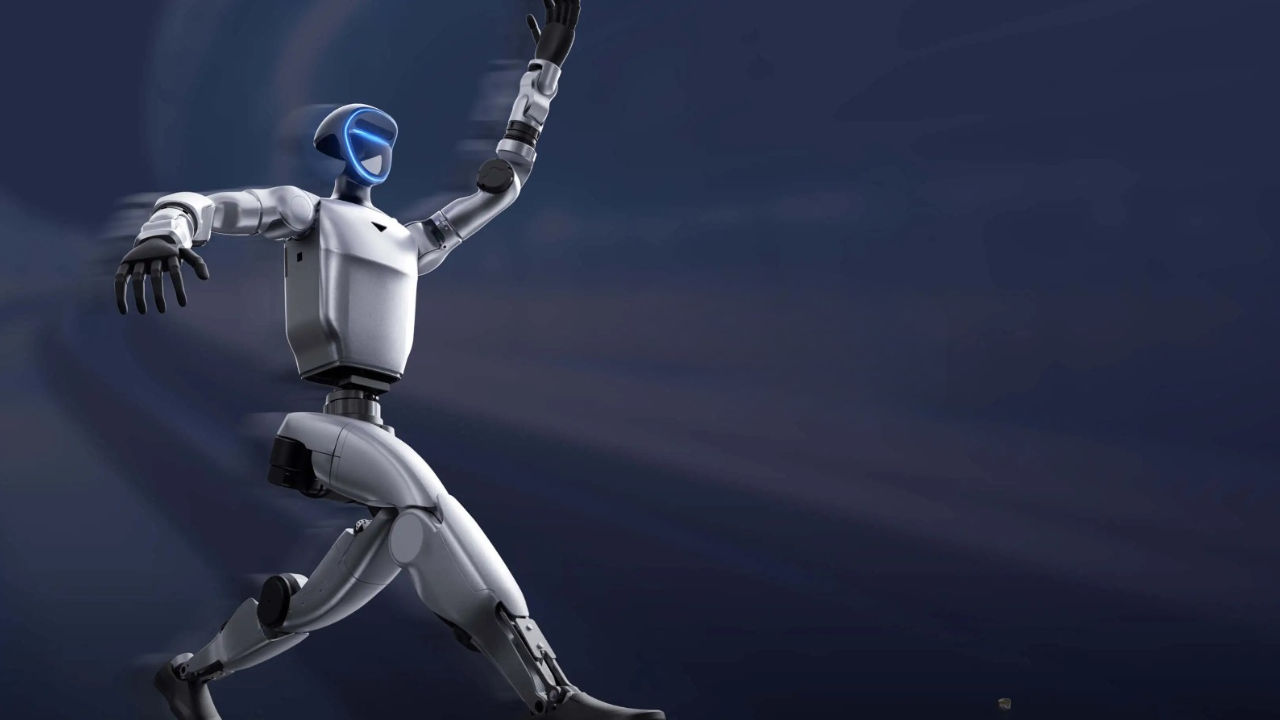
The Unitree Superman humanoid robot just did something no walking, talking machine has managed before — it ran faster than Usain Bolt’s top recorded speed, and then it slammed straight into an electrical box on live camera. If you have been following the humanoid robot race between Chinese and American companies, this one clip sums up exactly where the technology stands right now: astonishing raw power, and still a lot of growing up to do.
What Actually Happened at the Track
The test took place at Beijing’s National Speed Skating Oval, a venue built for actual Olympic ice skaters, which tells you Unitree wanted a long, smooth, controlled surface for this run. The humanoid robot, nicknamed “Superman” internally, was pushed to a top speed of 12.66 metres per second. To put that in perspective, Usain Bolt’s peak recorded speed during his 100m world record was slightly lower than that number, which is why headlines are calling this the moment a robot “beat” the fastest human sprinter ever recorded.
The robot also managed a standing vertical jump of about 2 metres, which is genuinely impressive for a bipedal machine carrying its own batteries and motors. But the clip that went viral was not the sprint itself — it was what happened right after. Moments after hitting top speed, the robot lost its line, could not slow down cleanly, and crashed into an electrical box positioned near the track.
Did You Know? Usain Bolt’s fastest single stride during his 2009 world record run was measured at around 12.4 metres per second, meaning this robot’s top speed of 12.66 m/s edges past even his quickest burst, not just his average pace.
Meet Unitree’s Superman Prototype
Unitree Robotics is not new to this game. The company already sells the H1 humanoid, which previously topped out at around 10 metres per second and was considered one of the fastest walking robots on the market. Superman is the next step up, reportedly built and tuned in roughly three months, which is a fast turnaround even by China’s aggressive robotics development pace.
Engineers gave the robot notably long legs, measuring around 0.85 metres, which is a big part of how it generated that extra stride length and speed. Longer legs mean bigger steps, and bigger steps at high stride frequency is basically how any sprinter, human or robot, builds up raw velocity. Unitree’s founder has been upfront that this is very much an early prototype and has “not yet reached its final development stage,” so treat the numbers as a snapshot of progress rather than a finished product spec sheet.
Unitree also pointed to an earlier win for its Honor Lightning humanoid, claiming it took home three medals at the Beijing half marathon back in April, which the company is using as evidence that its robots can already handle sustained real world movement, not just short bursts on a controlled track.
The Crash: Why Speed Without Brakes Is a Problem
Here is the part that got everyone talking online. Right after clocking its record breaking speed, the robot could not stop or steer away in time and crashed straight into an electrical box sitting beside the track. Nobody was hurt, and the box was reportedly just testing equipment rather than a live power hazard, but the internet reaction was swift — plenty of viewers pointed out that building a robot that can sprint faster than Usain Bolt means very little if it cannot brake or change direction safely once it gets there.
This is actually a well known problem in robotics. Acceleration and top speed get all the attention because they make for dramatic numbers and viral videos, but deceleration, balance recovery, and obstacle avoidance at high velocity are a completely different engineering challenge. A robot moving at over 12 metres per second has very little time to detect an obstacle, calculate a new path, and physically redirect its own momentum before impact. Unitree’s own team seems aware of this gap, which is likely why they were quick to frame Superman as an unfinished prototype rather than a production ready machine.
Why This Moment Matters for Humanoid Robots
Speed records make headlines, but the real story here is about the pace of humanoid robot development in general. Three months ago, Unitree was talking about the H1 hitting 10 metres per second as a milestone. Now they have a prototype that goes noticeably faster, jumps higher, and is already being tested at Olympic grade venues. Whether or not this particular crash was embarrassing, it is a sign that companies are racing each other on raw physical performance the same way smartphone makers used to race on camera megapixels.
The bigger question the crash raises is about safety standards for humanoid robots operating anywhere near people, roads, or infrastructure. A robot that can outrun a world class sprinter but cannot reliably stop is not something you want walking around a warehouse, a hospital, or a city street just yet. Expect Unitree and its competitors to spend the next development cycle just as focused on braking systems, fall recovery, and obstacle sensing as they are on raw speed.
| Specification | Details |
|---|---|
| Model / Nickname | Superman (also referred to as the Honor Lightning humanoid) |
| Manufacturer | Unitree Robotics |
| Top Speed | 12.66 metres per second |
| Standing Vertical Jump | Approximately 2 metres |
| Leg Length | Approximately 0.85 metres |
| Development Time | Roughly 3 months |
| Previous Unitree Record (H1) | 10 metres per second |
| Test Location | National Speed Skating Oval, Beijing |
| Development Stage | Early prototype, not final |
| Price & Availability | Details |
|---|---|
| Original Price | Not applicable — research prototype, not sold |
| Current Price | Not disclosed by Unitree |
| Bank Card Offer | Not applicable |
| EMI | Not applicable, no retail listing yet |
| Exchange | Not applicable |
Frequently Asked Questions
How fast is the Unitree Superman humanoid robot?
The Unitree Superman prototype reportedly hit a top speed of 12.66 metres per second during testing at Beijing’s National Speed Skating Oval, which is faster than Usain Bolt’s peak recorded speed.
Did the robot really crash into an electrical box?
Yes. Shortly after its high speed run, the robot lost control and collided with an electrical box on the track, which many online viewers said pointed to weak braking and steering at top speed.
Who makes the Superman humanoid robot?
The robot is built by Unitree Robotics, a Chinese robotics company that also makes the H1 humanoid, and it was reportedly developed in around three months.
Is the Unitree Superman robot available to buy?
No. It is an early stage research prototype used for testing, not a retail product, so there is no listed price, EMI plan, or purchase availability yet.
How does this compare to Unitree’s older H1 robot?
Unitree’s earlier H1 humanoid topped out at around 10 metres per second, so the new Superman prototype is a noticeable jump in raw speed, even though control at that speed is still a work in progress.
Verdict: Impressive, But Not Ready to Take a Victory Lap
The Unitree Superman humanoid robot is a genuinely big deal for one simple reason — it proves that bipedal robots can now out sprint the fastest human being ever recorded, and they did it in a prototype built in about three months. That is a wild pace of progress for a field that was struggling to make robots walk without falling over just a few years ago. At the same time, the crash into the electrical box is a useful reality check. Speed is only half the engineering problem; stopping, steering, and recovering from mistakes at that speed is the harder half, and Unitree still has work to do there.
If you enjoy tracking where robotics, AI, and consumer tech are headed next, this is exactly the kind of story worth watching closely over the next few product cycles. For more breakdowns like this one, keep checking back on JatinTechTalks — we will keep you updated as Unitree and its rivals push these humanoid robots from viral crash clips to genuinely safe, reliable machines.


No comments:
Post a Comment