By Jatin Bhardwaj | ⏰ 7 min read |
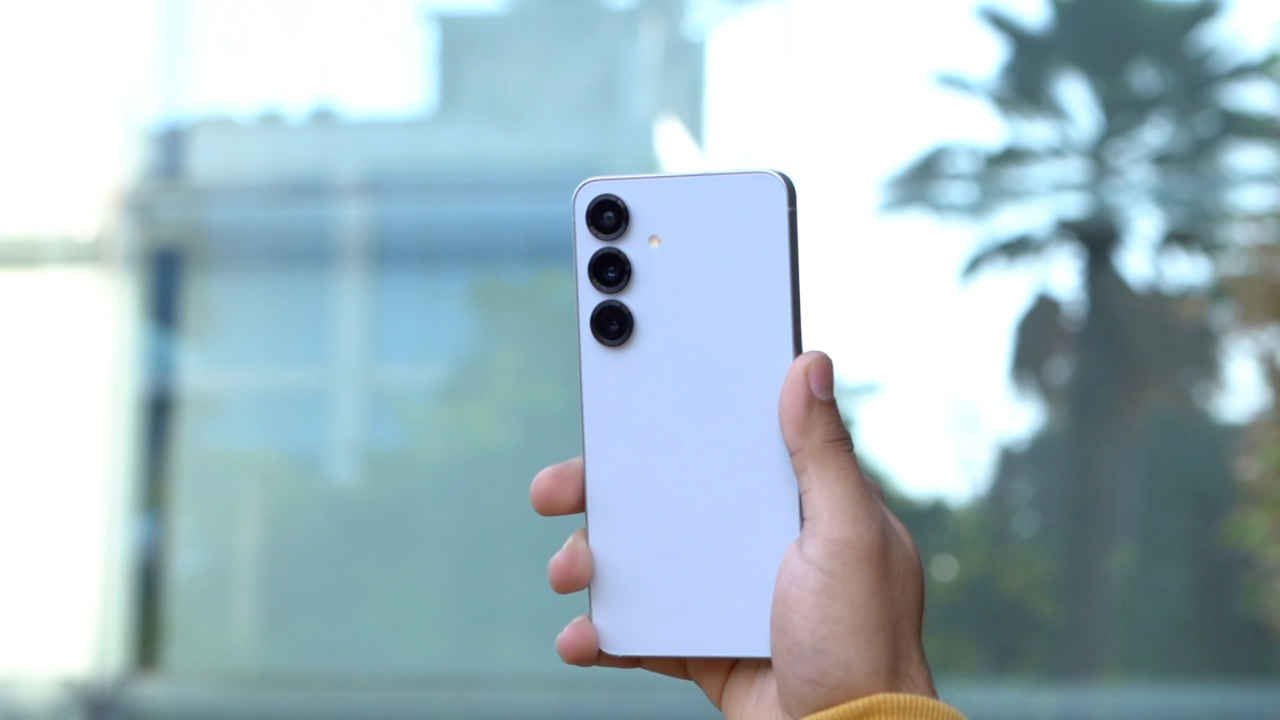
The Samsung Galaxy S25 price hike in India has caught a lot of buyers off guard, with two variants of the phone now costing more than they did at launch, and one of them getting pricier by as much as Rs 12,000. If you had this phone on your shopping list, here is everything that has changed, why it matters, and what you should do next.
What’s Changed: The Galaxy S25 Price Revision
Samsung has quietly revised prices on select Galaxy S25 variants in the Indian market, and the changes are now visible directly on the company’s official website. Not every version of the phone is affected — the increase is limited to the higher-memory and higher-storage configurations, while the entry-level model has been left untouched. This kind of mid-cycle price adjustment isn’t something Samsung announces with a press release, which is why many buyers only notice it when they open the listing to make a purchase and see a bigger number than they remembered.
The two affected variants are the 12GB RAM with 256GB storage option and the top-end, higher-storage configuration. Both have moved up from their original launch pricing, but not by the same amount, which is the part worth paying close attention to before you buy.
How Much More You’ll Pay Now
The Galaxy S25 5G variant with 12GB RAM and 256GB storage was originally launched at Rs 80,999. It now retails for Rs 84,999, a jump of Rs 4,000. That is a noticeable but relatively modest increase.
The bigger surprise is at the top of the range. The higher-storage variant of the Galaxy S25 has taken a steeper hit, with prices climbing by Rs 12,000 over its original launch price. That is a significant jump for a phone that has already been on the market for months, and it effectively pushes the flagship variant into a noticeably higher price bracket than what early buyers paid.
On the other end, there is some relief: the base Galaxy S25 variant remains unaffected and continues to be priced at Rs 74,999, exactly what it cost at launch. So if you’re fine with the standard storage option, you are not paying the penalty that buyers eyeing the bigger-storage models now face.
Did You Know? Smartphone makers often revise prices on older-generation flagships not because the phone itself changed, but to manage inventory and margins as newer models approach launch, or to offset currency and component cost shifts that occurred since the original launch pricing was locked in.
Why Would Samsung Raise Prices Months After Launch?
Samsung has not issued an official explanation for this specific increase, and that is fairly typical — brands rarely spell out the exact commercial reasoning behind a price revision. That said, a few common factors tend to drive this kind of move in the smartphone industry. Currency fluctuations between the rupee and the dollar can quietly erode margins on imported components over several months, forcing a correction. Rising costs for memory chips and display panels, both of which have seen global price swings recently, can also squeeze manufacturers into passing some of that cost onto the consumer. Finally, with newer Galaxy devices expected later in the product cycle, adjusting prices on existing high-storage variants can also be a way of nudging buyers toward current inventory or newer options.
Whatever the exact internal reason, the practical effect for shoppers is the same: variants that once looked like reasonably priced flagship options now carry a noticeably higher premium, especially at the top end.
Quick Recap: What You Get With the Galaxy S25
For anyone new to the Galaxy S25, or considering it despite the price bump, here is a quick refresher on what the phone actually offers. It comes with a 6.2-inch AMOLED display, which delivers the vivid colours and deep contrast Samsung’s Super AMOLED panels are known for, in a compact form factor that is easy to use one-handed. Under the hood, it runs on the Snapdragon 8 Elite chipset, a flagship-grade processor built for fast performance across gaming, multitasking, and camera processing. Powering it all is a 4,000mAh battery, which is on the smaller side for a flagship but is tuned to work efficiently with the compact display and Samsung’s software optimisations.
These specs place the Galaxy S25 firmly in flagship territory, competing with other premium Android phones on raw performance and display quality, even if its battery capacity is modest compared to some larger rivals.
| Detail | Value |
|---|---|
| Base Variant Price (Unchanged) | Rs 74,999 |
| 12GB RAM / 256GB Variant — New Price | Rs 84,999 |
| 12GB RAM / 256GB Variant — Original Launch Price | Rs 80,999 |
| Increase on 12GB / 256GB Variant | Rs 4,000 |
| Increase on Top-End (Higher-Storage) Variant | Rs 12,000 |
| Display | 6.2-inch AMOLED |
| Chipset | Snapdragon 8 Elite |
| Battery | 4,000mAh |
What This Means If You’re Planning to Buy
If you were specifically eyeing the top-end, higher-storage Galaxy S25, this is the moment to pause and do the math. A Rs 12,000 jump is large enough that it is worth comparing against what else is available at that revised price point, including other Galaxy S-series options or competing flagships from Chinese and other Android brands that may now look more competitively priced by comparison. If your storage needs are moderate, sticking with the base variant at its unchanged Rs 74,999 price tag remains the more budget-friendly route into the Galaxy S25 experience without paying the new premium.
It is also worth checking Samsung’s website directly before purchasing, since online and offline retail pricing can sometimes lag behind or differ slightly from the official listing, and bank or festive offers may still bring the effective price down somewhat even after this hike.
JTT Take: This kind of quiet, staggered price revision is becoming more common with global smartphone brands operating in India, and it says something about how tightly margins are being managed in the premium segment right now. Rather than a blanket hike across the lineup, Samsung protected its entry price point at Rs 74,999, likely because that number is what shows up in ads and search comparisons, while adjusting the higher-margin, higher-spec variants where fewer buyers will notice or push back. For Indian consumers, the lesson is simple: flagship pricing on a phone is not fixed for its entire shelf life, and if you are eyeing a specific variant, it is worth buying sooner rather than waiting, especially as newer Galaxy models edge closer to launch and could trigger further adjustments across the S25 lineup.
Related Reading
- Samsung Galaxy S25 Review: Is It Still Worth Buying in 2026?
- Best Flagship Phones Under Rs 80,000 in India Right Now
- Snapdragon 8 Elite Explained: How It Stacks Up Against Rivals
Frequently Asked Questions
Samsung has hiked prices on two Galaxy S25 variants in India. The 12GB RAM plus 256GB storage model now costs Rs 84,999, up Rs 4,000 from its Rs 80,999 launch price. The higher-storage top variant has seen a steeper Rs 12,000 increase.
No. The base Galaxy S25 variant is unaffected by this price revision and still costs Rs 74,999, the same as its original launch price.
The revised prices are reflected on Samsung’s official India website, where the Galaxy S25 series is listed for purchase.
The Galaxy S25 features a 6.2-inch AMOLED display, a Snapdragon 8 Elite chipset, and a 4,000mAh battery.
Samsung has not officially detailed a reason, but such revisions are typically linked to currency fluctuations, component costs, or demand shifts as newer Galaxy models near launch.
Verdict
The Galaxy S25 price hike is a reminder that flagship phone pricing in India is rarely set in stone for the long haul. If the base variant meets your needs, you are unaffected and can buy with confidence at the original Rs 74,999 price. But if you wanted the higher-storage models, expect to pay noticeably more than early buyers did, up to Rs 12,000 more at the top end. Compare current pricing, check for ongoing bank offers, and decide quickly if you want to lock in a good deal before any further revisions. For more updates like this on smartphone pricing and launches in India, keep following JatinTechTalks.


No comments:
Post a Comment