⏰ 7 min read | August 11, 2026
India’s smartphone market just went through one of its roughest quarters in years, with shipments sliding 11.1% year-over-year in Q2 2026 — yet, oddly enough, Apple’s iPhone 17 kept flying off the shelves as the single most-shipped phone in the country. If you’ve been wondering why your favourite budget phone options seem to have vanished, or why Apple seems unbothered by the slowdown, this breakdown of the latest IDC numbers will make it all click.
Why India’s Smartphone Shipments Dropped So Sharply
Let’s start with the headline number: smartphone shipments in India fell 11.1% year-over-year in the second quarter of 2026, landing at 33.2 million units, according to IDC’s Worldwide Quarterly Mobile Phone Tracker. Zoom out to the first half of the year, and the picture doesn’t look much better — 64.2 million units shipped between January and June, down 7.9% compared to the same period last year. IDC analyst Ashish Singh notes this actually marks a five-year low for H1 shipment volumes.
So what’s behind the slump? In one word: memory. Prices for RAM and storage chips have been climbing steadily across the global supply chain, and phone makers simply can’t absorb those costs the way they used to. Instead, they’re either raising prices or cutting production of the cheapest models — and that ripple effect is what’s dragging the whole market down.
Did You Know? Even though fewer phones were sold in H1 2026, the total value of the Indian smartphone market actually grew by 3.6%. That’s because people are (on average) paying more per phone — the average selling price jumped 14.4% year-over-year to touch $315.
Budget Phones Are Taking the Biggest Hit
If you’ve noticed fewer super-cheap phone options at your local store, you’re not imagining things. Shipments of smartphones priced under $100 collapsed by a staggering 74.3% year-over-year. Their share of the overall market shrank from 15.6% down to just 4.5% — practically disappearing from the shelves in a matter of months.
This is the clearest sign of how badly rising memory costs are squeezing the entry-level segment. Brands that used to compete fiercely on price in this bracket now find the math doesn’t work anymore — the components alone eat up most of the margin. Many manufacturers appear to be quietly pulling back from the sub-$100 category altogether and pushing buyers toward slightly pricier models instead, which also explains why the average selling price has climbed so much even as unit shipments fall.
For everyday buyers, this means the days of grabbing a brand-new smartphone for a couple of thousand rupees are becoming rarer, at least for now. If entry-level pricing is what you care about most, it might be worth watching this segment closely over the next few quarters.
How Vivo, Samsung, Apple and Others Performed
Despite the overall gloom, not every brand suffered equally, and the rankings tell an interesting story.
Vivo held on to its position as India’s largest smartphone brand by volume, but even the market leader wasn’t immune — its shipments fell 13.9% year-over-year. Samsung stayed in second place with a 16.4% market share, staying nearly flat compared to last year, which in this environment almost counts as a win. Realme saw a 14.2% decline, while Xiaomi dropped 10% and OPPO fell 8.5%.
The biggest faller among the top ten brands was iQOO, which saw shipments plunge a massive 61% — by far the steepest drop of any major player this quarter. Meanwhile, Apple stood out as the rare bright spot, with its market share climbing from 7.5% to 8.5% and shipments holding largely stable while almost everyone else around it shrank.
The pattern here is pretty telling: brands that lean heavily on ultra-affordable phones got hurt the most, while brands with a stronger premium or mid-range lineup weathered the storm much better.
Why the iPhone 17 Keeps Winning
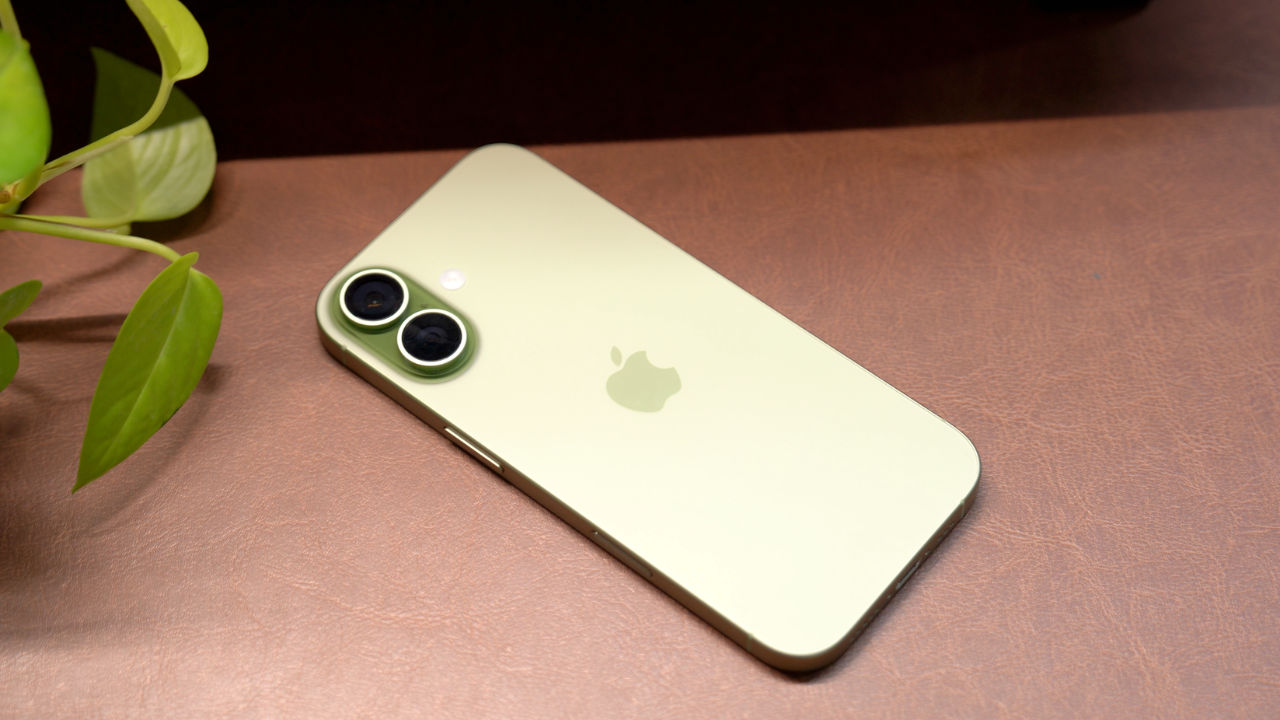
Here’s the twist in an otherwise gloomy report: the iPhone 17 was the single most-shipped smartphone model in all of India, not just in Q2 2026 but in Q1 as well. That’s a big deal in a market that has traditionally been dominated by budget and mid-range Android phones.
Apple’s success here lines up neatly with the broader trend IDC is pointing to — buyers are increasingly willing to spend more on a single phone rather than replace a cheap one frequently. As entry-level Android options get squeezed by memory costs, the iPhone 17’s value proposition (a premium device with strong resale value and long software support) starts to look more appealing to a growing slice of Indian buyers, including plenty of people upgrading from mid-range Android phones for the first time.
It also helps that Apple has been aggressively expanding retail presence and financing options in India over the past couple of years, making the iPhone feel far more within reach for first-time premium buyers than it used to.
Online vs Offline Sales, and What’s Coming Next
Channel-wise, online sales took a much bigger hit than offline retail. Online shipments dropped 19.8% year-over-year, even though online still accounts for a hefty 41.9% share of the market. Offline retail proved sturdier, falling only 3.6% and holding 58.1% share. This suggests that budget, online-first phones (the ones hit hardest by rising costs) are exactly the segment that’s shrinking, while physical stores — which tend to sell a healthier mix of price points — are holding up comparatively well.
Looking ahead, IDC isn’t expecting things to improve any time soon. Analysts are forecasting an even sharper decline of more than 15% for the second half of 2026, as memory prices show no signs of easing. If you’ve been putting off a phone upgrade, it might be worth tracking prices closely over the coming months — both because of potential price hikes and because premium brands like Apple seem to be the ones best positioned to ride out the storm.
| Specification | Details |
|---|---|
| Report Publisher | IDC Worldwide Quarterly Mobile Phone Tracker |
| Q2 2026 Shipments | 33.2 million units |
| Q2 2026 YoY Change | -11.1% |
| H1 2026 Shipments | 64.2 million units |
| H1 2026 YoY Change | -7.9% (five-year low) |
| Average Selling Price (ASP) | $315 (up 14.4% YoY) |
| Online Channel Share | 41.9% (down 19.8% YoY) |
| Offline Channel Share | 58.1% (down 3.6% YoY) |
| Top Shipped Model | Apple iPhone 17 |
| H2 2026 Forecast | Decline of more than 15% |
iPhone 17 — Price & Availability in India
| Detail | Value |
|---|---|
| Original Price | ₹82,900 (256GB base variant, launch price) |
| Current Price | Approx. ₹79,900 onwards (varies by retailer) |
| Bank Card Offer | Up to ₹4,000 instant discount on select bank cards |
| EMI | From approx. ₹6,908/month (No-Cost EMI, 12 months) |
| Exchange | Up to ₹56,000 off on eligible exchange |
Note: Pricing and offers are indicative and can vary by retailer, region and time — always check the current listing before buying.
Frequently Asked Questions
India’s smartphone market fell 11.1% year-over-year in Q2 2026, mainly because memory chip prices shot up worldwide. This pushed brands to cut back on cheap, entry-level phones, which hit overall shipment numbers hard.
Vivo remained the top smartphone brand by shipment volume in India during Q2 2026, even though its own shipments dropped 13.9% compared to the same quarter last year.
Sub-$100 smartphone shipments crashed by 74.3% year-over-year, with their market share falling from 15.6% to just 4.5%. Rising memory and component costs made it unprofitable for brands to keep offering phones at that price point.
Yes. According to IDC’s Worldwide Quarterly Mobile Phone Tracker, the iPhone 17 was the single most-shipped smartphone model in India in both Q1 and Q2 2026, helping Apple grow its market share from 7.5% to 8.5%.
Analysts at IDC forecast an even steeper decline of more than 15% for the second half of 2026, as elevated memory prices continue to squeeze the budget and entry-level smartphone segments.
The Verdict
India’s smartphone market is going through a genuine rough patch, but it’s not a story of falling demand — it’s a story of rising costs reshaping what people buy. Cheap phones are disappearing fast, average spending is climbing, and premium players like Apple are quietly gaining ground while budget-focused brands like iQOO take the biggest beating. With IDC expecting an even steeper drop in H2 2026, this trend of “fewer but pricier” phones looks set to continue for a while yet.
Want more breakdowns like this one, delivered in plain, no-jargon English? Head over to JatinTechTalks for the latest on smartphones, market trends, and buying advice you can actually use.


No comments:
Post a Comment