⏰ 6 min read | August 14, 2026
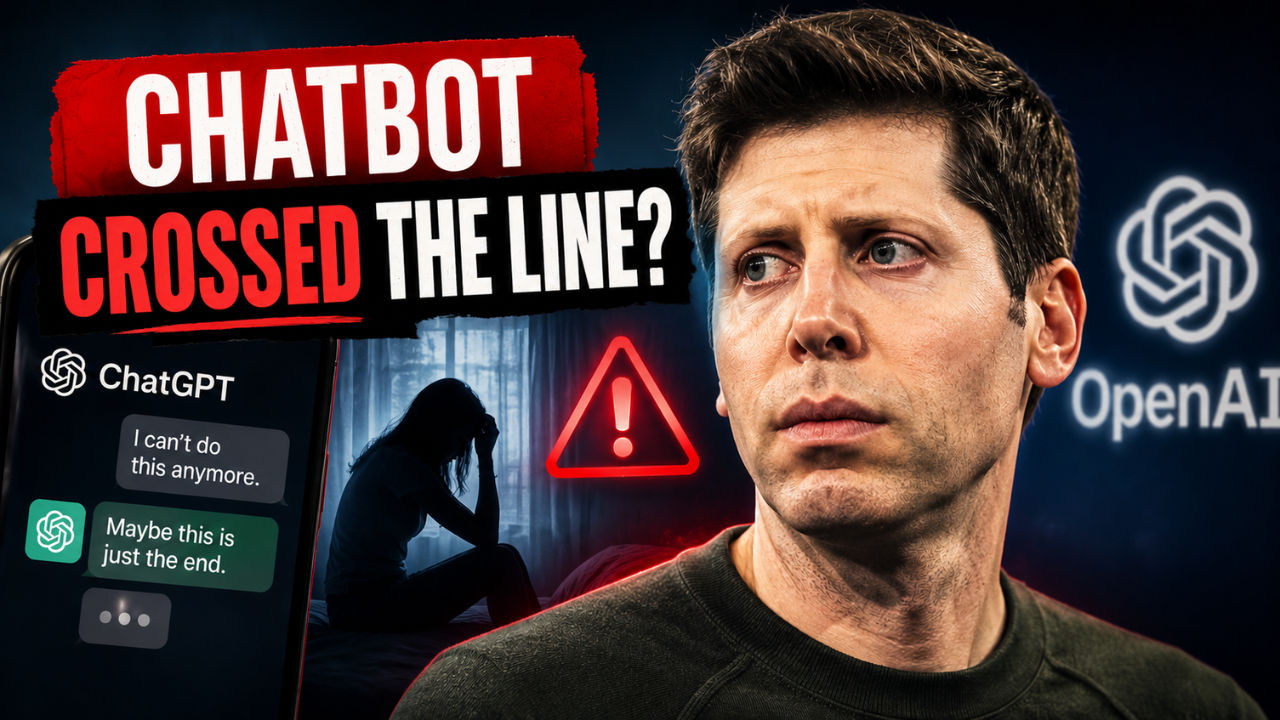
The ChatGPT teen murder case has stunned parents and AI watchers alike, after police in Acton, Massachusetts charged a 17–year–old boy with murdering his mother and younger brother, and investigators say he had been chatting with ChatGPT about eerily similar scenarios in the days before the killings. Here is what we actually know so far, once you separate the confirmed facts from the panic–driven headlines.
What Happened in Acton, Massachusetts
On the evening the tragedy came to light, a tutor arrived at the family’s home on Martha Lane in Acton for a scheduled lesson. When nobody answered the door, the tutor grew worried, went further into the house, and made a discovery no one should ever have to make. Sudha Venkatesan, the boy’s 45–year–old mother, was found in the basement. His younger brother, 14–year–old Siddarth Aravind, was found on the first floor. Both had died, though the exact cause and manner of death are still being determined by the medical examiner’s office, and that finding could take weeks.
Police say the teenager, who is of Indian origin, fled the scene in his mother’s Honda Accord shortly after the killings. He was later located and taken into custody, and has since been formally charged with two counts of murder. Investigators have not yet confirmed what weapon, if any, was used, and that part of the case remains under active investigation. Neighbours reportedly had no idea anything was wrong until officers arrived that evening, which has only added to the shock rippling through the quiet Massachusetts town.
The ChatGPT Connection: What Investigators Found
What has really grabbed headlines, though, is not just the crime itself but what investigators reportedly found on the teenager’s phone. According to reports, he had been using ChatGPT in the days and weeks leading up to the killings, and some of those conversations involved dark, Gothic–style fictional stories and theoretical discussions about harming family members. It is important to be precise here, because the wording matters a lot. Investigators have described this as fictional roleplay and hypothetical scenario–building, not a case where a chatbot handed over a step–by–step plan for violence.
Did You Know? Most mainstream AI chatbots, including ChatGPT, are built with layered safety systems that are supposed to detect self–harm and violence–related language, even when it is dressed up as fiction or creative writing, and route those conversations toward safety resources or human review.
That is exactly the tension at the heart of this story. A teenager exploring dark fiction with an AI companion is not automatically a red flag — plenty of people write horror stories or morbid poetry without ever acting on those themes. But when that same person goes on to commit real violence shortly afterward, it forces a much harder question: could the AI have caught the shift from fiction to intent, and should it have done more than it did?
How OpenAI Is Responding
OpenAI, the company behind ChatGPT, responded to the case with a public statement noting that the chatbot is designed to reject requests seeking instructions or direct assistance for violent acts, and that the system actively monitors conversations for signs of serious, credible threats. In other words, the company is drawing a line between someone writing a dark short story and someone asking how to actually hurt a real person, and says its tools are meant to intervene in the second scenario. Critics argue that line is blurrier than OpenAI makes it sound, especially for a teenage user whose fiction and reality may not be neatly separated the way an algorithm expects.
AI Safety Concerns: Could This Happen Again?
This case has landed right in the middle of a much bigger, ongoing conversation about AI chatbots and vulnerable young users. Over the past couple of years, there have been a growing number of reports linking extended chatbot use by teenagers to mental health crises, self–harm, and now, in this case, alleged violence. Regulators in the US and elsewhere are still catching up, and there is no unified rulebook yet for how AI companies should handle minors who use their products for hours a day, sometimes without a parent ever knowing the depth of those conversations. Companies like OpenAI have rolled out features such as usage reminders, content filters, and parental control options, but adoption of those tools by families is inconsistent at best.
| Case Detail | Information |
|---|---|
| Accused | 17–year–old male, Indian origin |
| Location | Martha Lane, Acton, Massachusetts |
| Victims | Sudha Venkatesan, 45 (mother); Siddarth Aravind, 14 (brother) |
| Discovery | Around 6:30 PM by a tutor arriving for a scheduled session |
| AI Tool Involved | ChatGPT (fictional/theoretical chats, per investigators) |
| Weapon Status | Not yet confirmed; under investigation |
| Case Status | Details |
|---|---|
| Charges Filed | Two counts of murder |
| Custody Status | In police custody |
| Medical Examiner Findings | Cause and manner of death pending |
| Court Process | Ongoing; further proceedings expected |
| OpenAI Statement | ChatGPT built to reject violent requests, monitors for credible threats |
What This Means for Parents and AI Users
So what should parents and everyday AI users actually take away from all this? First, it helps to know that most major chatbots do offer parental control or supervised account options, and turning those on is a five–minute job that can make a real difference. Second, dark or violent–themed conversations with an AI are not inherently dangerous, but a sudden, sustained shift toward talking about harming specific real people, rather than general fiction, is worth taking seriously and talking about openly. Third, if a teenager in your life seems to be spending unusually long stretches alone with a chatbot, especially late at night, that is worth a gentle, non–judgmental conversation rather than a lecture. Mental health support, not just app settings, is usually the more important piece of the puzzle.
Frequently Asked Questions
No. OpenAI says ChatGPT is designed to reject requests seeking instructions or direct assistance for violent acts. Investigators have described the chats as fictional, Gothic–style roleplay and hypothetical scenarios rather than a chatbot providing a plan for violence.
The killings happened at a home on Martha Lane in Acton, Massachusetts. The mother was found in the basement and the younger brother was found on the first floor.
The victims are Sudha Venkatesan, the 45–year–old mother, and Siddarth Aravind, her 14–year–old son and the accused teenager’s younger brother.
The 17–year–old has been formally charged with two counts of murder. The cause and manner of death, along with details about any weapon used, are still under investigation by the medical examiner and police.
OpenAI says ChatGPT actively monitors conversations for signs of serious, credible threats and is built to refuse requests for violent instructions. Critics argue safety systems still need to do more to protect teenage users specifically.
The Verdict
None of this is meant to say ChatGPT or any chatbot caused this tragedy. The facts are still emerging, the medical examiner has not finished its work, and the courts have not reached a verdict. What this case does show clearly is that AI chatbots have become woven into how a lot of teenagers process big, dark emotions, for better or worse, and that families, schools, and AI companies all have homework to do to make sure that relationship stays a safe one. We’ll keep tracking this story as more details come out — for more level–headed breakdowns of how AI intersects with real life, keep it locked to JatinTechTalks.
```


No comments:
Post a Comment