⏰ 7 min read | August 11, 2026
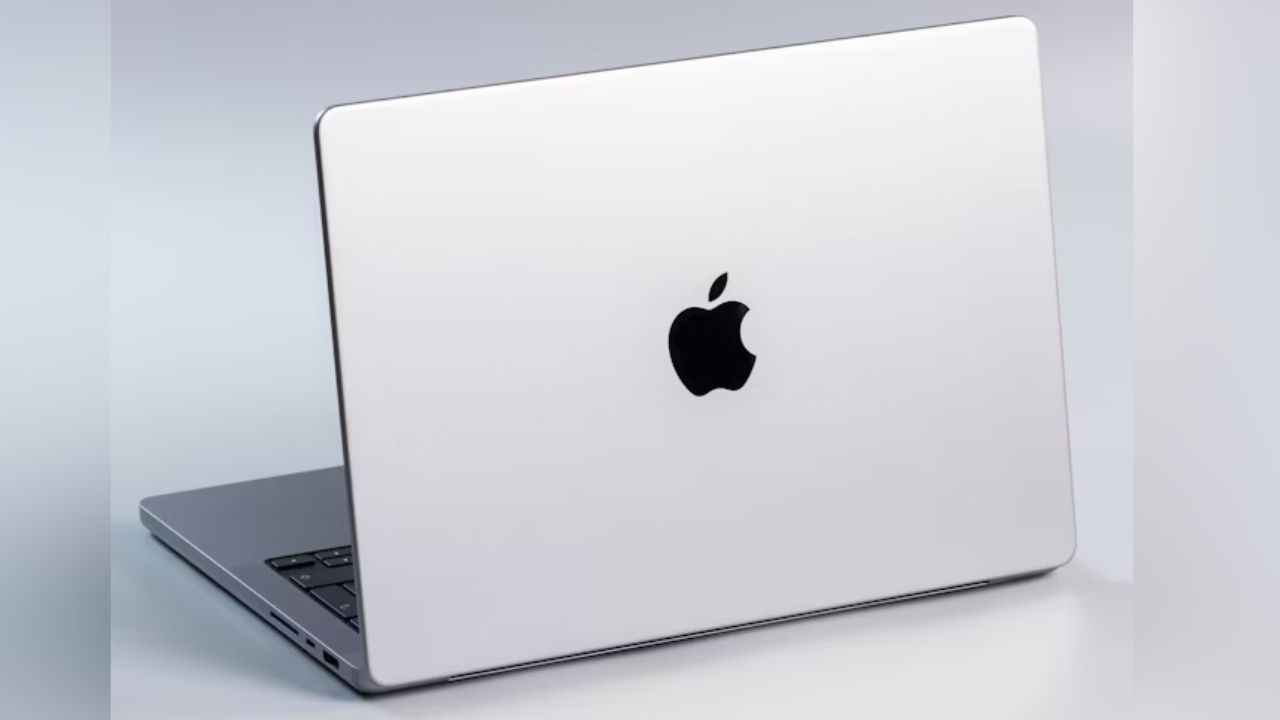
If the latest report is right, Samsung OLED MacBook screens could be the only kind Apple ships once its next-generation MacBook Pro lineup lands, and LG Display might be left out in the cold entirely. According to a report, which cites GSM Arena and the South Korean outlet The Elec, Apple has apparently chosen Samsung Display as the sole supplier for OLED panels on upcoming 14-inch and 16-inch MacBook Pro models. That is a big deal, because MacBooks have used mini-LED screens for years, and a full switch to OLED would be one of the biggest display upgrades Apple has made to its laptop lineup in a long time. Nothing here is official yet – Apple has not confirmed any of this – but the sourcing and detail in the report make it worth digging into.
Samsung Wins the OLED MacBook Deal
Here is the core of the story. Samsung Display has reportedly locked in exclusive rights to supply OLED touchscreen panels for Apple’s next MacBook Pro models, expected in the 14-inch and 16-inch sizes we already know from the current lineup. The report says Samsung will use its newer 8.6-generation OLED production line to make these panels, and the numbers being thrown around suggest Apple could order somewhere around 2.5 million OLED displays for the MacBook family. For context, that’s not a small trial batch – that’s the kind of volume you order when you are planning a real product launch, not just testing the waters. LG Display was reportedly in the running too, offering to build the panels on its 6th-generation OLED line, but according to the report, Apple went with Samsung instead. If this holds up, it would mark a shift in how Apple sources its laptop screens, since the company has historically split orders between multiple suppliers to keep leverage and avoid supply bottlenecks. Giving one company the entire order is a strong signal of confidence – or maybe just a sign that Samsung’s tech and pricing were simply better this time around.
Why LG Display Got Left Out
So why would Apple pick just one supplier instead of splitting the order like it usually does? The report points to Samsung’s manufacturing process being more efficient. That 8.6-generation production line is newer and reportedly better suited to making the kind of larger OLED panels a laptop needs, compared to LG’s 6th-generation setup. Bigger, more efficient production lines usually mean better yields, which means fewer wasted panels and lower costs per unit – something that matters a lot when you are trying to make millions of them. It is worth remembering that Samsung already dominates OLED supply for phones, including Apple’s own iPhones, so this would not be Samsung’s first attempt at making OLED panels to Apple-level quality standards. LG Display, on the other hand, has leaned more on smaller-format OLED work and has had a rockier track record scaling up newer-generation lines quickly. None of this is confirmed by either company, and it is entirely possible LG could still land a role later if Apple decides it needs a second source down the line. But for now, at least based on this report, Samsung appears to be the one holding all the cards.
What OLED Actually Changes for You
Let’s talk about why this matters if you are just a regular MacBook user and not a supply-chain nerd. Right now, MacBook Pro models use mini-LED screens, which are already pretty good – they get bright and have solid contrast. OLED is a different technology altogether. Instead of using a backlight sitting behind the pixels, each individual pixel in an OLED panel lights up on its own. That means when a pixel needs to show pure black, it can just turn off completely, giving you deeper blacks and way higher contrast than any backlit screen can manage. Colours tend to look richer too, and OLED panels are generally more power-efficient at typical everyday brightness levels, which could translate into better battery life depending on how Apple tunes things.
Did You Know? Apple already uses OLED screens on the iPhone and Apple Watch, but it has never used OLED on a MacBook, mostly because making large OLED panels that last for years without burn-in or dimming used to be expensive and technically tricky. If this report is accurate, that hurdle may finally be behind us.
On top of all that, the report mentions these would be OLED touchscreens, which would be a genuinely new thing for MacBooks, since Apple has resisted touch on Mac for over a decade.
When You Might Actually See One
As for timing, the report suggests these OLED MacBook Pro models could show up sometime in late 2026 or early 2027. That is a fairly wide window, which usually means the plans are still not fully locked in – supply chain timelines shift around a lot before a product actually ships. It is also worth noting that Apple has said nothing about any of this publicly, no teaser, no roadmap leak from Apple itself, nothing. Everything currently floating around comes from South Korean supply-chain sources, the kind of reporting that is often accurate on the who and the what, but a little fuzzier on the exact when. So treat the launch window as a rough guess rather than a locked-in release date. If you are currently shopping for a MacBook Pro and were hoping to wait for the OLED version, you might be waiting a while longer, and there is always a chance the plan changes between now and whenever Apple is actually ready to announce something.
Rumoured OLED MacBook Specs at a Glance
| Specification | Details |
|---|---|
| Screen Sizes | 14-inch and 16-inch (rumoured) |
| Display Type | OLED touchscreen |
| Samsung Production Line | 8.6-generation OLED |
| LG’s Rejected Line | 6th-generation OLED |
| Projected Panel Order | Approximately 2.5 million units |
| Expected Launch Window | Late 2026 or early 2027 |
| Supplier Status | Samsung Display (exclusive, per report) |
| Official Confirmation | Not yet confirmed by Apple |
Price and Availability
| Detail | Status |
|---|---|
| Original Price | Not announced – product not yet unveiled |
| Current Price | Not announced – product not yet unveiled |
| Bank Card Offer | Not applicable yet, no retail listing exists |
| EMI | Not applicable yet, no retail listing exists |
| Exchange | Not applicable yet, no retail listing exists |
Frequently Asked Questions
It is not confirmed yet, but a new report claims Apple could switch to OLED panels for the 14-inch and 16-inch MacBook Pro, possibly launching in late 2026 or early 2027.
Reports say Samsung’s newer 8.6-generation OLED production line is more efficient than LG Display’s 6th-generation line, which reportedly helped Samsung win the exclusive order.
LG Display reportedly pitched its own OLED panels for the MacBook Pro but was not selected this time, according to a report citing the South Korean outlet The Elec.
The report points to late 2026 or early 2027, though Apple has not confirmed any dates, so this timeline could still shift.
OLED panels can produce deeper blacks, higher contrast, richer colours and better power efficiency compared to the mini-LED screens currently used in MacBook Pro models.
Final Verdict
So, should you get excited about a Samsung-made OLED MacBook Pro? Cautiously, yes – but keep the caution part front and centre. The report has solid sourcing behind it, tracing back to a South Korean publication that has a decent history with display supply-chain leaks, and the specific details, like the 8.6-generation production line and the roughly 2.5 million panel order, suggest this is more than just a random rumour. At the same time, Apple has said nothing, and plans like this can and do change before an actual launch event happens. If you are due for a laptop upgrade right now, do not put your life on hold waiting for a screen technology that is not confirmed and might still be over a year away. But if you can wait, and you care about getting the best possible display on your next Mac, keeping an eye on this story for the next few months is a smart move. We will keep tracking this one closely, so check back on JatinTechTalks for the next update as soon as more details leak out.


No comments:
Post a Comment