⏰ 6 min read | 19 Aug 2026
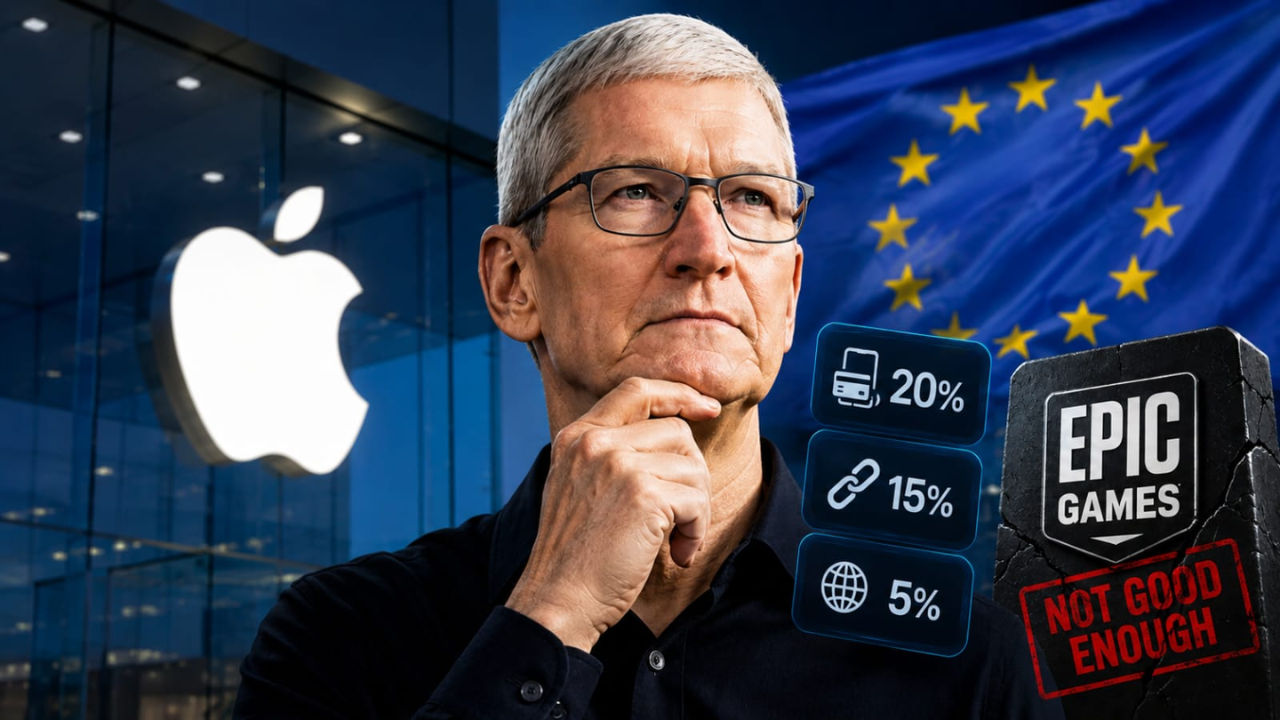
Apple App Store fees in Europe are about to look quite different, and the change is landing straight in the middle of a long-running fight with Epic Games. Starting October 1, Apple will roll out a fresh set of terms for developers who distribute apps in the European Union, replacing the old Core Technology Fee with something called the Core Technology Commission. The update is meant to bring Apple in line with the EU’s Digital Markets Act, a law designed to stop big tech gatekeepers from controlling how apps get built, sold, and paid for. Naturally, Epic Games — which has been battling Apple in courtrooms for years — wasted no time calling the new fees “junk fees” that quietly protect Apple’s grip on the App Store.
If you’re a developer, or just someone who’s curious about why your favourite apps keep getting caught up in Apple’s legal drama, this breakdown will walk you through exactly what’s changing, what it costs, and why Epic Games is once again crying foul.
Why Apple Is Changing App Store Fees in Europe
For years, Apple ran the App Store its own way — one set of rules, one payment system, and a commission on almost everything sold through it. The EU’s Digital Markets Act changed that equation by forcing large “gatekeeper” platforms like Apple to open up. Under the DMA, developers in the EU are allowed to distribute their apps outside the official App Store and use payment systems that aren’t built by Apple. Regulators wanted more competition and fewer restrictions for developers who felt boxed in by Apple’s old terms.
Apple’s response has been to redesign its fee structure rather than give up revenue entirely. The new terms, effective from October 1, apply specifically to developers distributing apps in the EU, and they replace the earlier Core Technology Fee model with a new commission-based approach. In plain terms, Apple is trying to stay compliant with EU law while still earning something from the apps built on its platform, even when those apps skip the App Store altogether.
Did You Know? The Digital Markets Act doesn’t just target Apple — it applies to other major platforms too, but Apple’s App Store rules have drawn the most attention because of its history of tightly controlling how apps are distributed and paid for.
The New Core Technology Commission, Explained
The headline change is the introduction of the Core Technology Commission, a 5 percent fee that applies to digital purchases made inside apps distributed outside the official App Store in the EU. Previously, Apple charged developers a flat Core Technology Fee simply for the privilege of using Apple’s tools and technology to build their apps, regardless of how much money the app actually made. The new Core Technology Commission ties the fee directly to digital purchases instead, so developers pay based on what they actually earn through the app rather than a fixed charge upfront.
This is a meaningful shift. A flat fee can feel especially harsh for smaller developers or apps that aren’t generating much revenue yet, since they’d still owe Apple money regardless of performance. A percentage-based commission, on the other hand, scales with success — small apps pay less, and only apps making real money through digital purchases contribute a meaningful amount back to Apple.
How the In-App Purchase Commission Works Now
Alongside the Core Technology Commission for apps distributed outside the App Store, Apple has also adjusted commissions for developers who stick with its own In-App Purchase system. The standard commission for using Apple’s In-App Purchase system in the EU is 26 percent. That’s the default rate most developers using Apple’s payment processing will see on digital purchases.
However, developers who qualify for Apple’s reduced-fee programs pay a lower rate of around 15 percent, which already includes Apple’s payment processing fee. This tiered approach mirrors Apple’s existing Small Business Program structure, where smaller developers or those earning below a certain revenue threshold get a discount compared to larger companies. So depending on how big a developer is and which payment route they choose, the actual cost of doing business with Apple in the EU can vary quite a bit.
Epic Games’ Reaction and the Bigger Fight
Epic Games, the maker of Fortnite and one of Apple’s loudest critics, didn’t hold back after Apple announced these changes. The company has accused Apple of charging what it calls “junk fees” — extra charges that Epic believes exist mainly to discourage developers from actually using the alternative options the DMA is supposed to guarantee. In Epic’s view, even though Apple is technically allowing outside payment systems and app distribution now, the new commissions make it financially unattractive for most developers to bother switching away from the traditional App Store setup.
This isn’t a new complaint from Epic Games. The company has been locked in a long legal battle with Apple that dates back to when Fortnite was removed from the App Store after Epic tried to bypass Apple’s payment system directly. That fight escalated into courtrooms across multiple countries, with Epic arguing that Apple’s control over app distribution and payments amounts to anti-competitive behaviour. The EU’s new fee rules were supposed to be a turning point in that fight, giving developers like Epic more freedom. Instead, Epic sees Apple’s Core Technology Commission and tiered In-App Purchase rates as a new obstacle dressed up as compliance.
What This Means for Developers and Users
For developers building apps aimed at the EU market, these changes mean more choice on paper, but also more math to do before deciding which path makes sense. Sticking with Apple’s In-App Purchase system means dealing with the 26 percent standard commission, or 15 percent if a developer qualifies for the reduced tier. Going the independent route — distributing outside the App Store and using a different payment processor — brings the Core Technology Commission of 5 percent, plus whatever fees the alternative payment processor charges on top.
For everyday users, the immediate impact is less visible, but it could shape which apps and payment options show up over time. If more developers decide the alternative routes are actually worth it, EU users might start seeing more apps distributed outside the traditional App Store, potentially with different pricing or payment choices. If Epic Games is right and the fees remain unattractive, the App Store experience for most EU users may not look all that different from before, even with the DMA in place.
Either way, this is unlikely to be the last chapter. Regulators, Apple, and developers like Epic Games are still feeling out where the real balance lies between compliance on paper and competition in practice.
| Specification | Details |
|---|---|
| Regulation Driving the Change | EU Digital Markets Act (DMA) |
| Effective Date | October 1 |
| Old Fee Model | Core Technology Fee (flat charge) |
| New Fee Model | Core Technology Commission (5% on purchases, apps outside App Store) |
| Standard In-App Purchase Commission | 26% |
| Reduced-Tier Commission | ~15% (includes Apple’s processing fee) |
| Key Critic | Epic Games |
| Category | Details |
|---|---|
| Original Fee (Core Technology Fee) | Flat charge per app install, regardless of revenue |
| Current Fee (Core Technology Commission) | 5% commission on digital purchases outside the App Store |
| Bank Card Offer | Not applicable — this is a developer fee policy, not a retail purchase |
| EMI | Not applicable |
| Exchange | Not applicable |
Frequently Asked Questions
Apple is updating its App Store fee structure in the EU to comply with the Digital Markets Act (DMA), which requires the company to let developers use alternative payment systems and app distribution methods.
The Core Technology Commission is a new 5 percent fee Apple charges on digital purchases made through apps that are distributed outside the App Store in the EU. It replaces the earlier Core Technology Fee.
Developers who use Apple’s own In-App Purchase system pay a standard commission of 26 percent, while eligible developers under Apple’s reduced-fee tiers pay around 15 percent, including Apple’s processing fee.
Epic Games has called Apple’s new fee structure a set of “junk fees” that it believes are designed to discourage developers from using alternative payment systems, limiting real competition despite the DMA.
Apple’s revised App Store fee terms for the EU are set to come into effect from October 1.
Verdict: A Step Forward, But Not a Clean Win
Apple’s new App Store fee structure in Europe is a genuine attempt to meet the letter of the Digital Markets Act — developers now have more official paths to distribute apps and process payments outside Apple’s own ecosystem. But whether it satisfies the spirit of the law is still up for debate, especially with Epic Games publicly pushing back on what it sees as fees designed to keep developers close to Apple’s original system anyway. For now, developers in the EU will need to carefully weigh the 26 percent standard commission, the reduced 15 percent tier, and the new 5 percent Core Technology Commission before deciding which route actually saves them money.
Want more breakdowns like this on the biggest tech and policy stories shaping your apps and devices? Head over to JatinTechTalks for more explainers that cut through the jargon.


No comments:
Post a Comment